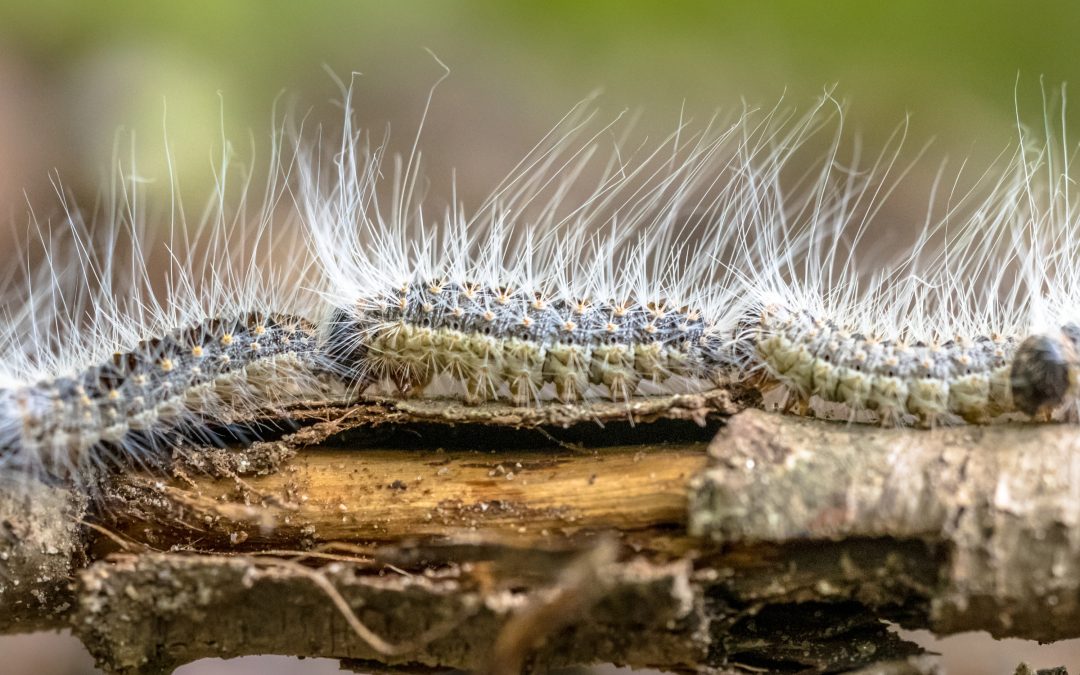
The pine processionary caterpillar (Thaumetopoea pityocampa) is one of the most dangerous pests affecting Mallorca’s pine forests. Its stinging caterpillars can cause serious allergic reactions in both people and animals. Since it was introduced to the island in 1952, it has become increasingly common, creating significant risks in winter and spring. In this article we explain how to prevent processionary stings and the best strategies for pine processionary caterpillar control in Mallorca, including curious facts and practical tips.
What is the pine processionary caterpillar?
The pine processionary is a caterpillar that lives in Mallorca’s pine forests. Its name comes from the way it moves in long lines, forming real “processions” as it comes down from the trees. Its stinging hairs contain toxins that can irritate the skin, eyes and airways. This makes it a dangerous pest and one that local people recognise easily. Pine processionary caterpillar control in Mallorca is essential to minimise the risk of accidental contact and protect both people and pets.
Why it is dangerous
The main danger lies in the stinging hairs. They can break off and float in the air, affecting people even without direct contact with the caterpillar. The most common reactions include hives, eye irritation and breathing problems. Animals, especially dogs and cats, are particularly sensitive and can suffer serious harm by sniffing or eating parts of the caterpillar. For this reason, pine processionary caterpillar control in Mallorca is vital for public health and animal welfare, especially in urban areas with parks and gardens.
When it is most active
The pine processionary is most active between January and April, when it comes down from the trees to bury itself and turn into a chrysalis. During this period, the caterpillars cross the ground in long lines, increasing the risk of contact with people and pets. Putting pine processionary caterpillar control in Mallorca strategies in place during these months is crucial to reduce stings and accidents, and to protect children playing in green areas.
How to prevent stings
Preventing processionary stings means taking safety precautions. Some recommendations:
- Avoid walking in pine forests during the active months.
- Keep animals away from infested areas.
- Fit physical barriers, such as mesh or rings, around trunks to stop the caterpillars coming down.
- Teach the community how to identify nests and why they should never be handled.
- Consult professionals who can apply preventive treatments.
These actions are essential for effective, safe pine processionary caterpillar control in Mallorca and help reduce risks in residential and natural areas.
What to do in case of contact
If someone comes into contact with the caterpillars or their stinging hairs, act immediately:
- Remove the hairs from the skin with sticky tape.
- Wash the affected area with soap and water.
- Apply cold compresses to reduce swelling and pain.
- See a doctor if symptoms are severe or persist.
These measures are part of the prevention protocol and highlight the importance of proper pine processionary caterpillar control in Mallorca. It is also important to inform neighbours and the authorities if nests are spotted near public areas.
Control methods
There are several techniques for controlling this pest:
- Biological treatments: products that specifically target the caterpillars without harming the natural environment.
- Manual removal: removing visible nests and caterpillars with protective measures.
- Chemical and aerial treatments: applying insecticides to affected areas under professional supervision.
- Public awareness: informing the community about the risks and preventive measures.
Combining these strategies makes pine processionary caterpillar control in Mallorca more complete, reducing stings and protecting the environment.
Curious and interesting facts
- A single female can lay up to 200 eggs, helping the pest spread quickly.
- The silk nests, visible on pine branches, make detection and control easier.
- Although it originally came from Asia, the processionary caterpillar has adapted perfectly to the Mediterranean climate.
- The caterpillars overwinter in nests during the coldest months, which is why planning pine processionary caterpillar control in Mallorca is crucial for successful treatment.
- Even indirect exposure to the stinging hairs can cause breathing problems, making prevention and professional management essential.
JYL Plagas: your best choice in Mallorca
If you are looking for a professional service for pine processionary caterpillar control in Mallorca, JYL Plagas is the ideal choice. Our team of experts uses advanced, safe techniques to remove caterpillars and nests effectively, protecting people, pets and trees. We also offer personalised advice to prevent future infestations and minimise risks in gardens, parks and urban areas. With JYL Plagas, pine processionary caterpillar control in Mallorca is carried out comprehensively, ensuring safety, effectiveness and peace of mind for everyone.
