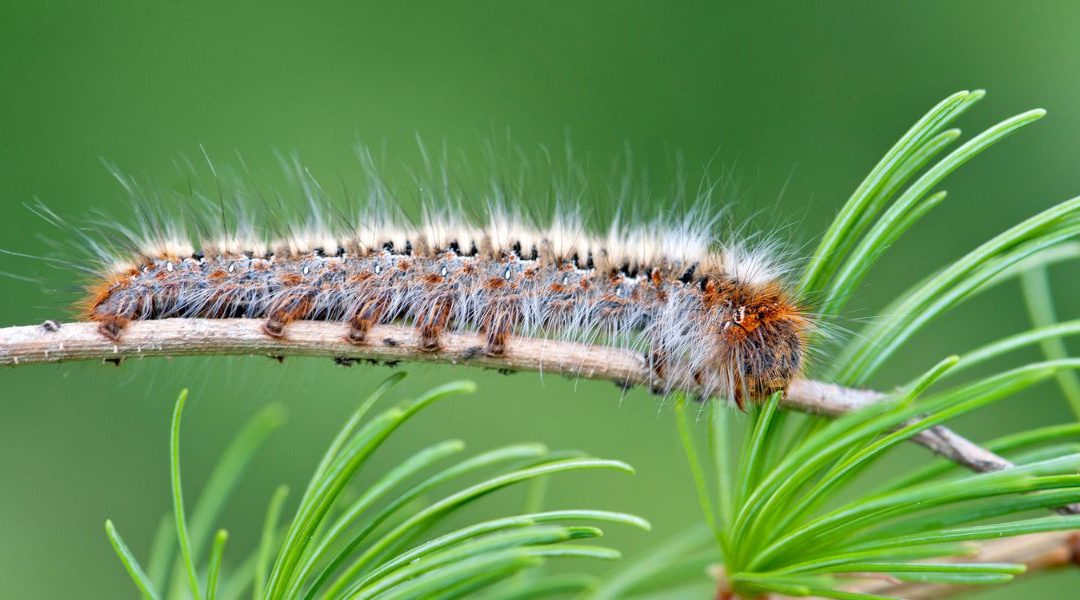
The pine processionary caterpillar is one of the most dangerous pests on the island of Mallorca. This insect affects the health of trees as well as people and animals, and it spreads more every year because winters are getting milder. That is why pine processionary caterpillar control in Mallorca has become an urgent need to keep gardens and pine forests safe, protecting the environment and the people who enjoy it. A proper prevention and treatment plan is key to minimising risks and ensuring effective pine processionary caterpillar control in Mallorca.
What is the pine processionary caterpillar?
The pine processionary (Thaumetopoea pityocampa) gets its name from the way its caterpillars move, in single file as if in a procession. Each female moth can lay 150 to 300 eggs in summer, which hatch at the end of the season. In autumn and winter, the caterpillars build silk nests in the pine trees, and in spring they come down in procession to bury themselves in the ground and turn into moths. Understanding this cycle is essential for good pine processionary caterpillar control in Mallorca, preventing the pest from spreading.
Health risks for people and animals
The most serious danger lies in the caterpillars’ stinging hairs. They release toxins that can cause skin irritation, breathing problems or eye inflammation. In Mallorca, dozens of dogs suffer serious harm every year, sometimes even necrosis of the tongue after contact with these caterpillars. All this makes pine processionary caterpillar control in Mallorca a health priority for our animals, especially in residential areas and parks used by children and pets.
Damage to gardens and pine forests
As well as the health risks, the processionary seriously affects trees. By feeding on pine needles, it reduces their ability to photosynthesise and weakens them, making them more vulnerable to disease and other pests. In natural pine forests, the environmental and economic impact is much greater. This damage underlines the importance of pine processionary caterpillar control in Mallorca as an environmental and economic protection strategy, ensuring pine forests and gardens keep their ecological and aesthetic value. A good pine processionary caterpillar control in Mallorca plan helps prevent this damage before it becomes irreversible.
Traditional control methods
One of the most common methods has been removing the nests by hand in winter, cutting off the affected branches. Controlled burning has also been used, although it carries environmental risks. Another common method is pheromone traps, which catch adult males to reduce breeding. These practices are useful but often not enough, which makes professional, coordinated pine processionary caterpillar control in Mallorca essential, adapted to each type of garden or pine forest.
Biological and chemical solutions
Safer, more effective techniques are now used. They include biological treatments with Bacillus thuringiensis, which kill the caterpillars without harming other wildlife. Endotherapy also stands out: plant-protection products are injected directly into the trunk, giving fast results without affecting the surroundings. Controlled fumigation is another tool for specific cases. All these solutions are part of modern, specialist pine processionary caterpillar control in Mallorca, ensuring effectiveness and environmental safety.
The impact of the processionary caterpillar in Mallorca
The Balearic Environment Department notes that the problem intensifies between January and April, when the caterpillars come down. Over the last decade, the processionary population has grown significantly because of rising winter temperatures. Thousands of pheromone traps are placed on the island every year, but their effectiveness depends on coordination between institutions and professionals. These figures make it clear that pine processionary caterpillar control in Mallorca is an increasingly urgent and strategic challenge, and that planning it requires experience and local knowledge.
Curious and little-known facts
Adult processionary moths have a very short life of just 24 to 48 hours, enough to breed and lay their eggs. The caterpillars can travel up to 200 metres in line, which explains why they turn up even in urban areas far from pine forests. Some schools on the island run awareness campaigns so children learn to recognise the nests and avoid contact. These facts confirm that pine processionary caterpillar control in Mallorca must cover all kinds of green spaces, including parks, schools and private gardens.
JYL Plagas: your best choice in Mallorca
At JYL Plagas we have extensive experience in the sector, offering effective, safe solutions for pine processionary caterpillar control in Mallorca. We carry out professional nest removal, trap installation, biological treatments and endotherapy, adapting to each client and situation. Our local experience allows us to anticipate the critical moments for the pest on the island. If you are looking for a reliable service, we are your best partner for pine processionary caterpillar control in Mallorca. We guarantee your garden, your pets and your family will be protected.
